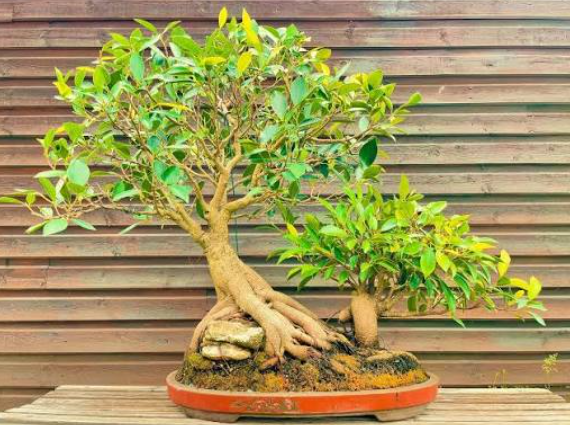
A memorable landscape often needs one feature that immediately captures attention and gives the space a recognizable identity. A large ficus bonsai tree can serve this purpose by combining the scale of a mature outdoor tree with the carefully developed character of bonsai. Wulala Garden’s approximately 4.5-meter Ficus microcarpa features prominent aerial roots, a sturdy trunk, layered canopies, and dense evergreen foliage, making it suitable for luxury gardens, resorts, villas, golf courses, parks, and major landscape projects.
Turning an Ordinary Space Into a Destination
Landscaping is not simply about covering empty ground with plants. Good landscape planning creates visual destinations that encourage people to pause, explore, and appreciate their surroundings. A substantial specimen tree can become one of these destinations.
The Ficus microcarpa offered by Wulala Garden has a multi-root structure that develops into a distinctive banyan-style trunk. Its layered canopy gives the tree additional depth and height, allowing it to stand apart from conventional ornamental trees.
When positioned carefully, the tree can become the visual center of a courtyard, garden entrance, open lawn, or resort landscape.
Why the Root Structure Matters
The aerial roots are among the most distinctive characteristics of this Ficus bonsai. Unlike a conventional tree with a relatively simple trunk, aerial-root Ficus develops additional root structures above the soil. Over time, these roots contribute to the substantial trunk form associated with mature banyan-style trees.
Wulala Garden states that its large Ficus bonsai specimens are pruned and trained by bonsai specialists over the years. This process is intended to develop multi-tiered canopies while maintaining the strength and health of the tree.
For landscape designers, the result is a living feature with visual interest from the ground upward. The roots provide texture, the trunk supplies structure, and the canopy establishes height.
A Natural Landmark for Resort Landscapes
Hospitality properties often need landscape elements that create a strong sense of place. Guests may remember a distinctive entrance tree, courtyard garden, or poolside planting long after they leave.
A large Ficus bonsai can contribute to this identity. Its tropical appearance works particularly well in warm-climate resorts, hotels, outdoor restaurants, and leisure destinations. Wulala Garden lists commercial properties, eco-friendly resorts, golf courses, and luxury outdoor venues among the applications for this product.
The tree can be used beside reception areas, pathways, outdoor seating zones, or major architectural features. Rather than competing with the building, its natural form can soften hard surfaces and introduce an organic focal point.
Creating an Elegant Residential Centerpiece
Large private gardens can also benefit from a carefully selected specimen tree. A villa courtyard or spacious estate does not necessarily need dozens of ornamental plants to look complete. One substantial, well-formed tree can establish the foundation for the entire garden design.
The approximately 4.5-meter height of this Ficus gives it enough presence for large properties, while its evergreen canopy provides consistent greenery. Wulala Garden specifically identifies luxury estates, villas, private courtyards, and elegant entrances as suitable applications.
The surrounding landscape can remain relatively simple, using low shrubs, groundcovers, decorative stones, or pathways to frame the tree without hiding its unusual root structure.
Planning Around Year-Round Foliage
Ficus microcarpa is particularly valuable in landscape designs that require consistent greenery. The product description highlights dense, glossy, evergreen leaves that can maintain a fresh appearance throughout the year under suitable growing conditions.
This allows designers to build seasonal plants around a permanent green foundation. Flowering species can provide changing colors, while the Ficus maintains the landscape’s overall structure.
Its evergreen nature can be especially useful for commercial properties where the outdoor appearance must remain presentable throughout different seasons.
Matching the Tree With Its Environment
A large specimen requires an appropriate growing environment. Wulala Garden recommends full sun for this particular Ficus, with at least six hours of direct sunlight daily. The product information identifies 18–35°C as the optimal growth temperature and describes tropical and subtropical conditions as suitable.
Water management is particularly important after transplantation. The product guidance recommends watering every two to three days during the first month while keeping the soil moist without creating waterlogging. Once the tree has established new growth, watering can be reduced according to the season and soil condition.
Preserving Its Designed Character
A professionally trained bonsai tree has a developed visual form, but regular care helps preserve that appearance. Pruning can prevent unwanted growth from disrupting the canopy’s balance, while appropriate nutrition supports continued development.
Wulala Garden also states that its expert growers can customize canopy shapes according to specific landscape requirements. This can be useful when a project requires the tree to complement a building, pathway, entrance, or predefined garden layout.
Ultimately, a large Ficus bonsai tree can function as living architecture. Its aerial roots, sturdy trunk, layered canopy, and evergreen foliage create a feature capable of defining an entire outdoor space. Whether used in a luxury residence, resort, golf course, public garden, or commercial landscape, it can provide a sense of maturity and individuality that ordinary plantings may struggle to achieve.