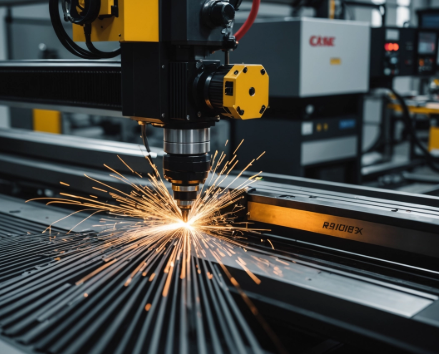
Efficient preparation is one of the most important stages in modern tobacco manufacturing. Before tobacco can move into mixing, flavoring, or other processing stages, the leaves often need to be reduced into suitable and consistent strips. A tobacco leaf cutting machine provides an automated way to perform this task with greater control and consistency. By replacing repetitive manual cutting with mechanical processing, manufacturers can improve workflow efficiency while maintaining more predictable material preparation.
Why Tobacco Leaf Preparation Matters
Tobacco leaves can vary in size, texture, moisture level, and structure. Processing these materials manually may make it difficult to achieve the same cutting results from one batch to another. Differences in strip size can subsequently affect how the tobacco behaves during mixing and conditioning.
A dedicated cutting machine is designed to process tobacco into more uniform pieces. Consistent material preparation gives manufacturers better control over subsequent production stages. This is especially useful when tobacco needs to be combined with ingredients such as molasses, glycerin, or flavoring agents.
When the raw material is prepared consistently, the overall production process can become easier to manage.
Reducing Dependence on Manual Labor
Manual cutting can become increasingly challenging as production volumes grow. Workers have to perform the same repetitive task for extended periods, which can consume time and introduce variations in the finished material.
Automated cutting equipment allows the machine to perform the primary cutting operation while operators focus on monitoring, adjustment, and quality control. This can help manufacturers use their workforce more effectively and create a more organized production environment.
Automation is particularly valuable for facilities that need to process substantial quantities of tobacco regularly.
Achieving More Consistent Strip Sizes
One of the key advantages of mechanical cutting is improved consistency. Depending on the equipment and configuration, operators can select suitable cutting dimensions according to their processing requirements.
Adjustable cutting settings provide flexibility when different tobacco products require different strip sizes. Instead of relying on a fixed manual cutting method, manufacturers can establish production parameters and repeat them across multiple batches.
Consistent strip dimensions can also make the tobacco easier to handle and transfer between different stages of a processing line.
Supporting Higher Production Capacity
Production capacity is another important factor when selecting tobacco processing machinery. Small operations may have different requirements from large-scale manufacturing facilities, so cutting equipment should be selected according to the expected workload.
A suitable machine can continuously process tobacco at a controlled rate, helping reduce bottlenecks during raw material preparation. When cutting capacity is properly matched with the rest of the production line, manufacturers can create a smoother flow from one stage to another.
This approach can help prevent situations where one machine operates significantly faster or slower than the equipment surrounding it.
Durable Construction for Industrial Use
Industrial processing machinery must be capable of handling demanding working conditions. Durable construction can help maintain reliable operation while reducing unnecessary maintenance problems.
Stainless-steel construction is commonly preferred for tobacco processing equipment because it provides strength and is relatively easy to clean. The cutting blades are also critical components because they directly influence cutting performance.
High-quality blades can maintain their effectiveness for longer periods when properly maintained. Regular inspection and replacement when necessary can help preserve cutting accuracy and prevent deteriorating performance.
Modern Controls Improve Usability
Advanced processing machinery can also simplify daily operation through modern control systems. A touchscreen PLC interface, for example, can provide operators with a centralized way to manage settings and monitor machine functions.
Simple controls can reduce the learning curve for operators and make it easier to adjust production parameters when required. Clear monitoring can also help identify operating issues before they cause significant interruptions.
For businesses aiming to modernize their production facilities, user-friendly controls can be an important part of an efficient equipment setup.
Safety and Maintenance Considerations
Cutting machinery contains moving components and sharp blades, making safety an essential part of machine design. Protective guards, emergency-stop functions, and sensors can help provide additional protection during operation.
Maintenance is equally important. Operators should regularly inspect cutting blades, clean relevant machine areas, check moving components, and follow recommended maintenance procedures. Proper care can help reduce unexpected downtime and extend the useful life of the equipment.
Integration Into a Complete Processing System
A tobacco cutting machine can provide greater value when it is integrated with other production equipment. Once the leaves have been cut, the material can continue to mixing, flavoring, conditioning, or packaging stages.
Connecting different machines can reduce unnecessary manual handling and create a more continuous production flow. Manufacturers can therefore consider not only the cutting machine itself but also how it will interact with equipment before and after the cutting stage.
Conclusion
Modern tobacco manufacturing requires consistent preparation, efficient production, and reliable equipment. Automated cutting technology can help manufacturers achieve these objectives by producing more uniform tobacco strips while reducing repetitive manual work. With adjustable cutting capabilities, durable construction, modern controls, safety features, and integration potential, a suitable tobacco cutting solution can become an important part of an organized production line. Choosing equipment based on capacity, cutting requirements, material characteristics, and workflow needs can help businesses establish a more efficient and dependable tobacco processing operation.